
How to Spot the Early Warning Signs of a Dangerous Tree
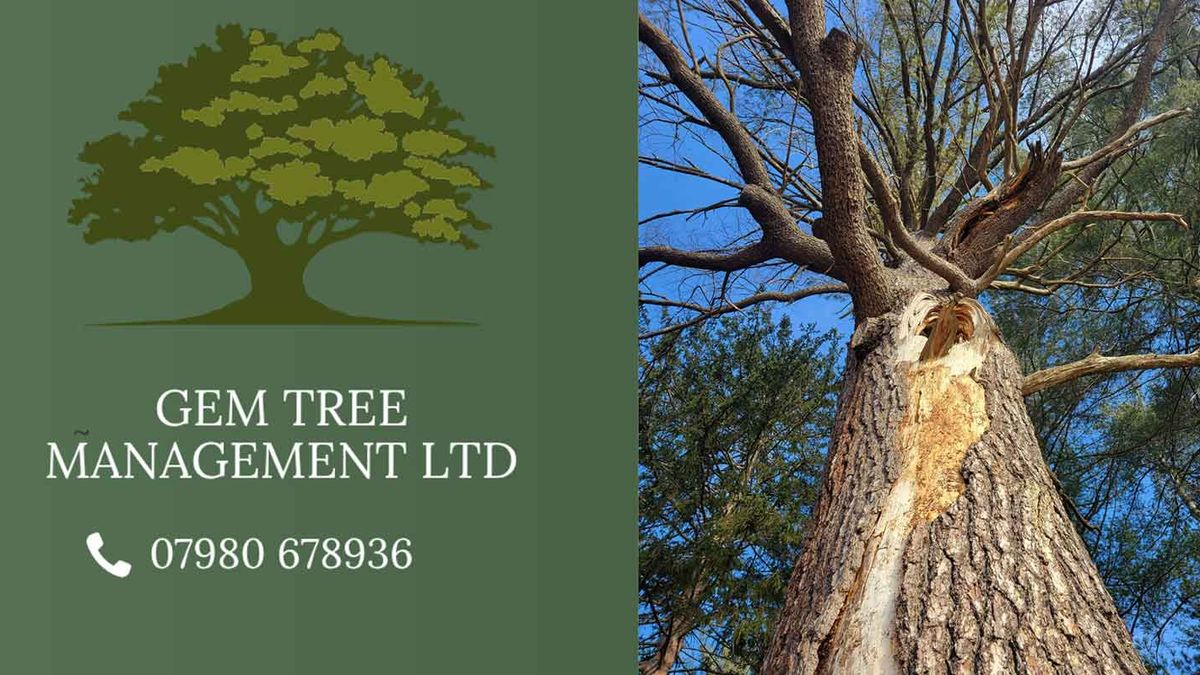
Most people don’t think about their trees until something goes wrong, a branch comes down, a trunk starts leaning, or a tree that looked
fine last year suddenly looks unwell. The good news is that trees usually give warning signs before a serious problem develops. Here are
five signs worth taking seriously, and what they might mean.
1. Cracks, splits, or cavities in the trunk or major branches
A vertical crack along the trunk, a split where a branch meets the trunk, or a visible hollow or cavity can all indicate structural weakness.
While some trees can tolerate minor cavities for years, cracks, especially ones that appear suddenly or run deep, can be a sign that a
branch or even the whole tree is at risk of failure, particularly in high winds.
2. Dead branches in the upper canopy
A few dead twigs are normal, but significant deadwood in the upper crown can be a sign that the tree is under stress, whether from root
damage, disease, drought, or age. Dead branches are also one of the most common causes of falling-branch incidents, so they’re worth
dealing with promptly, especially over driveways, paths, or seating areas.
3. Sudden or unusual leaf loss
If a tree drops leaves significantly earlier than others of the same species nearby, or loses leaves from one side or section while the rest
remains healthy, it can point to a localised problem, root damage on one side, a disease affecting part of the canopy, or damage to the
trunk restricting water and nutrient flow.
4. Fungal growth at the base or on the trunk
Mushrooms, brackets, or other fungal growth at the base of a tree or on the trunk can be a sign of internal decay. Not all fungi are harmful,
but certain types are associated with significant root or trunk decay that can affect a tree’s stability. If you notice fungal growth you
haven’t seen before, it’s worth having it identified.
5. A noticeable lean, or recent ground disturbance near the roots
A tree that has developed a new lean — or one where the ground around the base has started to crack, heave, or lift, can indicate that
the root system is failing to anchor the tree properly. This is particularly important to act on quickly, as it can be an early warning sign of a
tree becoming unstable, especially after heavy rain or strong winds.
When to call a professional
None of these signs automatically mean a tree needs to come down, in many cases, the right response is monitoring, pruning, or
targeted treatment rather than removal. But each of these signs is worth a professional look, ideally before the next storm season rather
than after.
If you’ve spotted any of these signs on your property, Gem Tree Management can carry out an assessment and recommend the right next steps. Get in touch and we’ll take a look.